
The psychology of risk Understanding the mindset behind gambling decisions
The allure of gambling
Gambling has always captivated individuals, appealing to a deep-seated desire for thrill and excitement. The allure lies not just in the potential for financial gain but also in the adrenaline rush that comes with taking risks. This psychological draw often leads to the belief that fortune can be influenced by skill, strategy, or sheer luck. Many new players find it worthwhile to check out the only spins promo code as they enter this compelling environment where they feel encouraged to dive deeper into gambling activities.

This mindset can be traced to various psychological factors, including the concept of loss aversion. Many gamblers are more motivated by the fear of losing what they already have than the prospect of gaining something new. This imbalance can result in impulsive decisions, where players chase their losses rather than walk away, ultimately perpetuating a cycle of risky behavior.
The role of cognitive biases
Cognitive biases play a significant role in gambling decisions, often skewing perceptions of risk and reward. One common bias is the illusion of control, where players believe they can influence outcomes through their choices. This belief leads individuals to take greater risks, as they feel a sense of empowerment over the unpredictable nature of games.
Another bias is the gambler’s fallacy, which is the mistaken belief that past events influence future outcomes in random games. For example, a player might think that a slot machine is “due” for a payout after a series of losses. These cognitive distortions can cloud judgment, making it difficult for individuals to make rational decisions about their gambling habits.
Emotional factors at play
Emotions play a crucial role in shaping gambling behavior. For many, the thrill of gambling serves as a temporary escape from reality, allowing them to experience excitement and joy. However, this emotional high can quickly turn into despair, especially when losses accumulate. Gamblers may become emotionally attached to the activity, viewing it as a source of happiness or self-worth.
Additionally, stress and anxiety can influence gambling decisions. Individuals facing personal or financial challenges may turn to gambling as a coping mechanism. This emotional engagement can lead to reckless behavior, as players attempt to alleviate their stress through the hope of a big win, often resulting in deeper financial trouble.
Purchase Tramadol Without Prescription
The impact of social influences
Social factors also play a significant role in gambling behaviors. Peer pressure and social acceptance can lead individuals to participate in gambling activities, often disregarding their personal limits. The social aspect of gambling—whether through online platforms or in-person casinos—creates a community that can either encourage responsible play or enable destructive habits.
Moreover, exposure to gambling through friends or family can normalize risky behaviors. This can foster a culture where gambling is seen as a regular activity, further blurring the lines between recreational play and problematic behavior. Understanding these social dynamics is essential for recognizing and mitigating the risks associated with gambling.
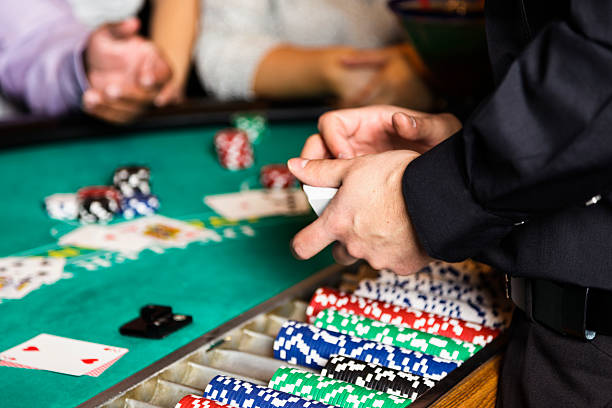
Join the excitement at OnlySpins Casino
At OnlySpins Casino, we recognize the psychological elements that drive gambling decisions. Our platform offers a wide variety of games designed to cater to different preferences and skill levels, ensuring an engaging and enjoyable experience. We prioritize player safety and transparency, providing a secure environment for you to explore the thrill of gambling responsibly.
Whether you are a novice or a seasoned player, OnlySpins Casino is dedicated to enhancing your gaming adventure with exclusive bonuses and rapid payouts. Embrace the excitement while being aware of the psychological aspects at play, and join us today to discover a world of gaming opportunities!